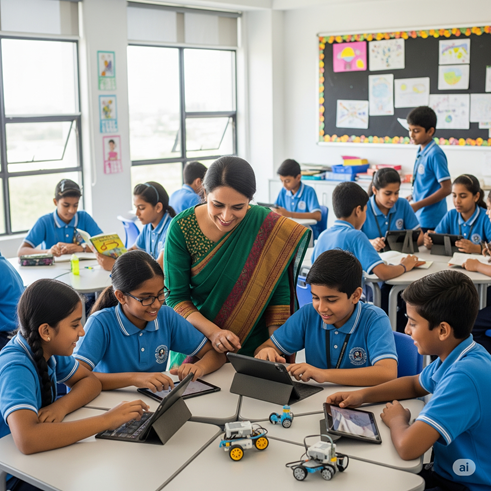
In the rapidly evolving landscape of Indian education, certain CBSE institutions consistently outperform others—not through privilege alone, but through strategic decisions and proven practices that genuinely serve student success. Across Indian schools, clear patterns emerge in how educational leaders use technology as a genuine catalyst for educational transformation.
India's EdTech market, valued at USD 5.13 billion in 2024, is projected to reach USD 17.34 billion by 2030, growing at a CAGR of 19%. This explosive growth reflects not just market opportunity, but a fundamental shift in how Indian schools approach educational excellence. The K-12 segment holds over 39% of the EdTech market share, making it the largest contributor to the industry, driven by institutions that understand technology's true potential.
This competitive intelligence report reveals the deep, systematic approaches that exceptional Indian schools use to harness technology for measurable improvements in student achievement, teacher effectiveness, and community satisfaction. Understanding what these leaders know—and how they implement their knowledge—provides a roadmap for any CBSE institution committed to educational excellence in the Indian context.
The Indian Educational Excellence Landscape: What Sets Leaders Apart
Defining Top-Performing CBSE Institutions in India
Beyond Board Results to Holistic Success: The criteria used to evaluate top CBSE schools include academic excellence based on board exam pass rates, infrastructure quality, faculty qualifications, and extracurricular activities. Truly exceptional Indian schools demonstrate consistent success across multiple dimensions:
- Academic Achievement: Sustained high performance in CBSE board examinations combined with competitive exam success rates
- Student Engagement: High participation in co-curricular activities and demonstrated critical thinking skills
- Teacher Excellence: Superior educator retention and professional satisfaction creating stable learning environments
- Community Trust: Strong parent confidence and positive reputation within local and national education circles
- Innovation Integration: CBSE schools are now focusing on turning towards the effective usage of technology in teaching methods to help students become familiar with the latest updates
Success Indicators in the Indian Context: Top-performing CBSE institutions consistently demonstrate:
- Strong Board Results: Pass and distinction rates above state averages
- Competitive Exam Success: High IIT-JEE, NEET, and international university acceptance rates
- Technology Integration Awards: Recognition such as the "Best Use of Technology for Teaching/Learning Practice in Schools" award from India
- Alumni Achievement: Strong placement records in premier institutions and career success rates
Common Characteristics of Educational Technology Leaders
Strategic Technology Integration Philosophy in Indian Schools: Some schools are early adopters of new technologies such as virtual and augmented reality, AI and 3D printing. Leading institutions approach educational technology with clear principles:
- CBSE Curriculum Alignment: Every technology decision evaluated based on direct support for CBSE learning outcomes
- Teacher Empowerment Focus: Technology deployment designed to reduce the heavy time burden teachers face in content creation
- Cultural Integration: Technology choices that support Indian values while preparing students for global opportunities
- Scalability Considerations: Solutions that work across India's diverse socioeconomic and infrastructure contexts
Operational Excellence Through Technology: Exceptional Indian schools use technology to optimize educational delivery while addressing unique challenges:
- Digital Infrastructure Optimization: According to UNESCO, only 8% households in India have access to a computer, and only 15% have access to the internet, making school-based access critical
- Language Integration: Supporting both English-medium instruction and regional language comprehension
- Rural-Urban Bridge: Technology solutions that work despite infrastructure limitations
- Cultural Sensitivity: Digital tools that respect Indian educational traditions while enabling modern pedagogy
Technology Strategy Insights from Leading Indian Institutions
Content and Curriculum Innovation in the CBSE Context
Comprehensive Educational Resource Strategy: Top-performing Indian schools have moved beyond basic digital materials to sophisticated CBSE-aligned content ecosystems addressing unique challenges:
Advanced CBSE Content Library Implementation: CBSE schools use computers and cool gadgets to make learning more fun, with students going online and using apps to learn things better. Leading institutions understand that educational content quality directly impacts outcomes:
- Complete CBSE Coverage: Access to questions, notes, and keywords ensuring alignment with board requirements
- NCERT Integration: Direct correlation with prescribed textbooks and official curriculum guidelines
- Multilingual Support: Content available in English and Hindi to serve diverse student populations
- Competitive Exam Preparation: Seamless transition from CBSE foundation to IIT-JEE and NEET preparation
- Cultural Context Integration: Educational materials that reflect Indian values, examples, and case studies
Strategic Content Distribution for Indian Schools: Exceptional Indian institutions have perfected the art of delivering appropriate educational materials considering infrastructure constraints:
- Offline-Online Hybrid: Content accessible even with intermittent connectivity challenges
- Mobile-First Approach: Optimized for smartphones, considering only 4% of rural households own a computer, compared to 23% in urban areas
- Data Efficiency: Compressed content formats minimizing bandwidth requirements
- Progressive Enhancement: Core content available in basic formats with enhanced features for better-connected areas
Teacher Development and Support Systems in the Indian Context
Professional Excellence Enhancement: The lack of trained teachers who can impart digital education is a major challenge. Top-performing Indian schools understand that teacher effectiveness directly determines student success:
Technology-Enhanced Professional Development: Leading institutions use digital platforms to accelerate teacher growth considering Indian educational context:
- CBSE Training Integration: Professional development aligned with board requirements and teaching methodologies
- Peer Learning Networks: Collaboration with volunteer teachers across India and the world for knowledge sharing
- Resource Access Optimization: Immediate availability of teaching materials reducing preparation burden
- Multilingual Training: Professional development in both English and regional languages
- Rural Outreach Capability: Organizations like eVidyaloka working towards improving education in remote rural schools using synchronous e-learning
Workload Optimization Strategy: Exceptional Indian schools use technology to eliminate inefficiency while enhancing educational quality:
- Content Creation Reduction: Ready CBSE-aligned resources cut the time spent building material
- Administrative Automation: Streamlined processes for attendance, assessment, and parent communication
- Collaboration Enhancement: Digital tools enabling teacher cooperation across different school locations
- Professional Recognition: Data-driven identification of teaching excellence and innovative practices
Student Experience and Engagement Optimization
Personalized Learning in the Indian Context: Top-performing Indian schools use technology to provide individual attention despite large class sizes and diverse backgrounds:
Individual Learning Path Development: AI-powered learning leveraged to create content and offer additional support to students. Exceptional institutions understand that every Indian student has unique needs:
- Adaptive CBSE Content: Educational materials automatically adjusted to student learning pace and board examination requirements
- Regional Language Integration: Academic content connected to local cultural context while maintaining English proficiency
- Socioeconomic Sensitivity: Learning approaches that accommodate varying family backgrounds and resources
- Competitive Exam Preparation: Seamless integration of board preparation with entrance examination readiness
Engagement and Motivation Enhancement: Leading Indian schools use technology to create compelling learning experiences addressing local challenges:
- Interactive Multimedia Content: Dynamic resources optimized for diverse connectivity and device capabilities
- Gamification Elements: Game-based learning improving educational outcomes with culturally relevant contexts
- Real-World Application: Academic content connected to Indian industry, innovation, and career opportunities
- Progress Visualization: Clear displays of advancement toward both board and competitive examination goals
Data-Driven Decision Making: The Intelligence Advantage in India
Comprehensive Analytics Implementation
Student Success Intelligence in Indian Schools: Schools are increasingly adopting technological interventions and digital solutions to democratise quality education nationwide. Top-performing institutions use sophisticated data analysis to ensure every student achieves potential:
Individual Student Monitoring: Leading Indian schools track multiple dimensions of student development considering local context:
- CBSE Performance Tracking: Detailed monitoring of board examination preparation and subject-specific achievement
- Competitive Exam Readiness: Assessment of IIT-JEE, NEET, and other entrance examination preparation levels
- Language Proficiency Development: Understanding progress in both English and regional language capabilities
- Cultural Integration Assessment: Monitoring how students balance global competencies with Indian values
- Socioeconomic Support Needs: Early identification of students requiring additional resources or assistance
Institutional Performance Measurement: Exceptional Indian schools systematically evaluate effectiveness across educational dimensions:
- Board Result Analysis: Comprehensive assessment of CBSE performance trends and improvement opportunities
- Teacher Impact Evaluation: Understanding educator effectiveness in improving student outcomes
- Technology ROI Assessment: Measurement of how educational technology investments translate to learning improvements
- Community Engagement Monitoring: Assessment of parent and stakeholder satisfaction with institutional performance
Strategic Decision-Making Through Evidence
Academic Program Optimization: Top-performing Indian schools use data to continuously improve educational offerings addressing unique challenges:
CBSE Curriculum Enhancement Strategy: Leading institutions systematically evaluate and improve educational programs:
- Content Effectiveness Analysis: Understanding which educational materials produce strongest CBSE board results
- Engagement Correlation Study: Identifying curriculum components that most effectively capture Indian student interest
- Language Balance Optimization: Tailoring strategies to India's linguistic and cultural diversity while maintaining academic standards
- Technology Integration Assessment: Careful evaluation of digital tools' impact on traditional and modern learning approaches
Resource Allocation Intelligence: Exceptional Indian schools use evidence to optimize educational investments considering resource constraints:
- Infrastructure Priority Analysis: Understanding which technology investments provide maximum educational benefit
- Teacher Development ROI: Evaluation of professional development impact on student outcomes
- Community Partnership Assessment: Collaborating with non-governmental organizations to provide additional resources for optimal impact
Technology Platform Selection: What Indian Leaders Choose and Why
Comprehensive Learning Management System Strategy
Platform Capability Requirements for Indian Schools: Top-performing CBSE institutions select technology solutions based on genuine educational impact considering local context:
Educational Content Excellence: Leading Indian institutions prioritize platforms providing comprehensive, culturally relevant resources:
- CBSE Alignment Precision: Complete coverage of board curriculum with perfect synchronization to learning objectives
- NCERT Integration: Direct correlation with prescribed textbooks and official educational guidelines
- Multilingual Support: Content available in multiple Indian languages supporting diverse student populations
- Cultural Sensitivity: Educational materials reflecting Indian values, examples, and contextual learning
- Competitive Exam Integration: Seamless preparation pathway from CBSE foundation to entrance examinations
Analytics and Intelligence Capabilities: Exceptional Indian schools require sophisticated data analysis tools addressing unique challenges:
- Board Preparation Monitoring: Comprehensive tracking of CBSE examination readiness and performance prediction
- Language Development Assessment: Understanding progress in English proficiency alongside regional language maintenance
- Digital Divide Bridging: Analytics that work effectively across varying technological access levels
- Cultural Integration Tracking: Monitoring how students balance global competencies with Indian identity
The Apar AI LMS Advantage: Why Indian Leaders Choose Our Platform
Comprehensive Educational Excellence for Indian Schools: Apar AI LMS is built around the capabilities that drive educational success in the Indian context:
NCERT-Aligned Content Library: Comprehensive, culturally relevant educational resources for Classes 1–12:
- 300,000+ Learning-Engineered Assets: NCERT-aligned content for CBSE and State Boards that adopt NCERT textbooks
- Questions: Comprehensive assessment materials across all CBSE subjects and difficulty levels
- Notes: Detailed educational content supporting complete understanding of board curriculum
- Keywords: Essential concept definitions supporting both English and Hindi comprehension
- NCERT Perfect Alignment: Direct correlation with prescribed textbooks and official guidelines
Advanced Analytics Intelligence for India: Exceptional Indian schools value sophisticated data analysis capabilities enabling evidence-based decisions:
- CBSE Performance Prediction: Comprehensive monitoring enabling early intervention and board exam success
- Rural-Urban Bridge Analytics: Understanding and addressing diverse student backgrounds and access levels
- Language Development Tracking: Monitoring progress in both English and regional language capabilities
- Cultural Integration Assessment: Ensuring students develop global competencies while maintaining Indian values
Future-Proofing Investment Protection: Apar AI LMS is designed to evolve without disrupting what a school has already built:
- Continuous Platform Evolution: New capabilities added without migration or data loss
- Digital India Alignment: Platform development synchronized with national digitization initiatives
- Data Continuity Assurance: Complete preservation of educational progress during technology evolution
- Competitive Advantage Maintenance: Sustained position at forefront of Indian educational technology
Implementation Strategies: How Indian Leaders Deploy Technology Successfully
Strategic Implementation Planning in the Indian Context
Comprehensive Deployment Framework: Top-performing Indian schools approach technology implementation considering unique challenges and opportunities:
Phase 1: Foundation and Cultural Integration (Months 1-2) Leading institutions begin with thorough understanding of local context and capabilities:
- Community Needs Assessment: Understanding diverse socio-economic barriers and cultural considerations
- Infrastructure Evaluation: Assessing connectivity, power, and device availability across student populations
- Teacher Readiness Analysis: Understanding current digital literacy levels and professional development needs
- Stakeholder Engagement Strategy: Involving parents and community leaders in technology adoption planning
- Cultural Sensitivity Planning: Ensuring technology integration respects Indian educational values and traditions
Phase 2: Platform Integration and Training (Months 3-4) Exceptional Indian schools prioritize comprehensive preparation considering local challenges:
- Connectivity Optimization: Implementing solutions that work with intermittent internet and varying device capabilities
- Multilingual Training: Professional development in both English and regional languages
- Pilot Program Implementation: Testing with select groups considering socioeconomic variations within the country
- Community Education: Engaging parents and families in understanding technology benefits and usage
Phase 3: Full Implementation and Optimization (Months 5-6) Leading institutions focus on maximizing educational impact considering Indian context:
- Scalable Deployment: Full implementation across diverse student populations with varying access levels
- Cultural Integration: Technology usage aligned with Indian educational traditions and values
- Continuous Improvement: Ongoing optimization based on usage patterns and educational outcomes
- Community Partnership Enhancement: Strengthened relationships with local stakeholders and educational authorities
Change Management Excellence in India
Cultural Transformation Strategy: Top-performing Indian schools understand that technology success requires comprehensive cultural adaptation:
Leadership and Vision Communication: Exceptional institutions ensure technology implementation serves clear educational mission while respecting cultural values:
- Educational Mission Alignment: Technology deployment clearly connected to CBSE objectives and Indian educational goals
- Community Benefit Communication: Clear explanation of how improvements serve students, teachers, and families
- Cultural Sensitivity: Respecting India's linguistic and cultural diversity while promoting digital literacy
- Progress Celebration: Regular acknowledgment of successes in both traditional and technological educational approaches
Competitive Analysis: What Sets Indian Leaders Apart from Followers
Technology Strategy Differentiation in the Indian Context
Strategic vs. Tactical Technology Use: The fundamental difference between leading and following Indian institutions lies in their approach to educational technology:
Leading Indian Institutions:
- CBSE Mission-Driven Adoption: Technology decisions evaluated based on board curriculum support and student success impact
- Cultural Integration: Balancing global digital competencies with Indian values and traditions
- Evidence-Based Implementation: Systematic evaluation considering diverse socioeconomic and cultural contexts
- Community Engagement: Governments and tech companies collaborating to bring innovative solutions to rural areas
- Infrastructure Adaptation: Technology choices that work across India's diverse connectivity and resource landscapes
Following Indian Institutions:
- Trend-Based Adoption: Technology choices driven by marketing rather than educational impact or cultural appropriateness
- Limited Community Involvement: Excluding parents and local stakeholders from technology planning and implementation
- Short-term Focus: Decisions based on immediate costs rather than long-term educational and cultural value
- Infrastructure Ignorance: Technology requirements that don't consider India's diverse connectivity and resource realities
Performance Measurement and Accountability
Comprehensive Success Assessment in India: Leading institutions systematically measure technology impact across all dimensions considering local context:
Academic Achievement Enhancement: Top-performing Indian schools document clear connections between technology implementation and student success:
- CBSE Results Improvement: Measurable increases in board examination performance and competitive exam readiness
- Digital Literacy Development: Enhanced computer and internet skills preparing students for digital world opportunities
- Language Proficiency Enhancement: Improved capabilities in both English and regional languages
- Cultural Competency Maintenance: Technology-enhanced learning that strengthens rather than weakens Indian identity
Institutional Effectiveness Advancement: Exceptional Indian schools use technology to improve overall educational quality considering resource constraints:
- Teacher Professional Growth: Enhanced educator satisfaction through reduced workload and improved instructional capabilities
- Community Engagement Strengthening: Improved communication with families and local stakeholders
- Resource Optimization: Maximum educational value from available investments considering economic constraints
- Digital Divide Bridging: Technology solutions helping bridge the gap between rural and urban educational opportunities
Future Trends: What Leading Indian Schools Are Preparing For
Artificial Intelligence Integration in Indian Education
Next-Generation Educational Technology: AI and machine learning are being used to make textbooks accessible to students from different language groups. Top-performing Indian schools are preparing for AI revolution while maintaining cultural values:
Personalized Learning AI Development: Leading institutions understand AI will dramatically enhance individualized education in Indian context:
- CBSE-Aligned Adaptive Learning: AI systems customizing content delivery for board examination success
- Multilingual AI Support: AI-powered content creation offering additional support to students in multiple Indian languages
- Cultural Context Integration: AI recognition of Indian values and traditions in educational content delivery
- Competitive Exam Optimization: Machine learning algorithms optimizing preparation for IIT-JEE, NEET, and other entrance examinations
Institutional Intelligence Enhancement: Exceptional Indian schools are preparing for AI capabilities transforming educational decision-making:
- Predictive Analytics: Advanced forecasting of student outcomes considering socioeconomic and cultural factors
- Resource Optimization Intelligence: AI algorithms optimizing educational resource allocation across diverse populations
- Language Development AI: Automated assessment and improvement of both English and regional language capabilities
- Cultural Sensitivity AI: Machine learning systems that respect and enhance Indian educational traditions
Digital India Integration and Compliance
National Digital Initiative Alignment: Government initiatives including INR 73,498 Cr allocation for Department of School Education and Literacy demonstrate national commitment. Leading institutions align with broader digitization goals:
Infrastructure Development Participation: Top-performing schools prepare for national connectivity improvements:
- BharatNet Integration: Accelerating rural connectivity through national broadband initiatives
- Digital India Compliance: Alignment with national educational technology standards and requirements
- 5G Education Applications: Preparation for high-speed connectivity enabling advanced educational applications
- Smart City Integration: Technology compatibility with emerging urban digital infrastructure initiatives
Strategic Recommendations: Lessons from Indian Educational Leaders
Immediate Action Steps for CBSE Institutional Excellence
Technology Platform Optimization: Based on analysis of top-performing Indian schools, institutions should prioritize comprehensive educational technology considering local context:
Platform Selection Criteria for Indian Schools: Choose technology solutions based on educational impact and cultural appropriateness:
- CBSE Alignment Excellence: Platforms providing complete curriculum coverage with perfect board examination preparation
- Multilingual Capability: Technology supporting both English instruction and regional language development
- Infrastructure Adaptability: Solutions working effectively across varying connectivity and device availability
- Cultural Integration: Technology respecting and enhancing Indian educational values and traditions
- Community Engagement: Platforms facilitating improved communication with parents and local stakeholders
Implementation Excellence Strategy: Deploy technology using proven approaches ensuring educational success in Indian context:
- Cultural Sensitivity Planning: Implementation respecting Indian educational traditions while enabling modern pedagogy
- Community Involvement: Active engagement of parents, teachers, and local stakeholders in technology adoption
- Phased Deployment with Local Adaptation: Gradual implementation considering diverse socioeconomic and infrastructure realities
- Multilingual Training: Professional development in languages appropriate for local teaching communities
- Continuous Cultural Integration: Ongoing alignment with Indian values and educational mission
Long-term Strategic Development
Competitive Advantage Building in India: Develop sustainable educational excellence through systematic capability development considering national context:
Educational Quality Enhancement: Focus on proven strategies improving student outcomes while respecting cultural values:
- CBSE Excellence Programs: Educational initiatives ensuring superior board examination results and competitive exam readiness
- Teacher Development Systems: Professional growth supporting educator effectiveness in Indian educational context
- Student Success Prioritization: Institutional decisions evaluated based on impact on Indian student achievement and development
- Community Engagement Strengthening: Relationship building with families and local stakeholders supporting educational mission
- Cultural Balance Maintenance: Innovation adoption that enhances rather than replaces Indian educational traditions
Future Preparation Strategy: Position institution for continued excellence in evolving Indian educational landscape:
- Digital India Readiness: Platform choices ensuring participation in national digitization initiatives
- AI Integration Preparation: Technology foundation supporting future artificial intelligence capabilities
- Global-Local Balance: Educational programs preparing students for international opportunities while maintaining Indian identity
- Sustainability Planning: Institutional development ensuring long-term educational excellence and cultural continuity
Implementation Roadmap: Applying Competitive Intelligence in the Indian Context
Strategic Planning Phase for Indian Institutions
Competitive Assessment and Goal Setting: Use insights from leading Indian institutions to develop comprehensive improvement strategy:
Benchmarking Analysis for CBSE Schools:
- CBSE Performance Gap Assessment: Understanding specific areas where board examination results and competitive exam success can be enhanced
- Cultural Integration Evaluation: Identifying opportunities to better balance global competencies with Indian values
- Technology Readiness Assessment: Evaluating current capabilities relative to connectivity, devices, and digital literacy
- Community Engagement Analysis: Understanding relationships with parents and local stakeholders
- Resource Optimization Study: Assessing how educational investments can be maximized for student benefit
Technology Platform Selection for Indian Context: Choose educational technology based on proven results from leading CBSE institutions:
- CBSE Alignment Requirements: Platform features demonstrating impact on board examination success and competitive exam preparation
- Cultural Compatibility: Technology choices supporting rather than conflicting with Indian educational values
- Infrastructure Considerations: Platform functionality across varying connectivity and device availability scenarios
- Multilingual Support: Technology capabilities supporting diverse language needs within Indian educational context
- Community Integration: Platforms facilitating improved engagement with parents and local educational stakeholders
Implementation Excellence in India
Systematic Deployment Strategy: Apply proven implementation approaches from successful Indian institutions:
Phase 1: Cultural Foundation Building (Months 1-3)
- Community Engagement: Involving parents, teachers, and local stakeholders in technology planning and cultural integration
- Infrastructure Assessment: Evaluating connectivity, power, and device availability across diverse student populations
- Cultural Sensitivity Training: Ensuring technology implementation respects Indian educational traditions and values
- Language Preparation: Professional development addressing both English and regional language requirements
- Stakeholder Education: Community understanding of technology benefits within Indian educational context
Phase 2: Technology Integration with Cultural Awareness (Months 4-6)
- Platform Deployment: Professional installation considering Indian infrastructure realities and cultural requirements
- Multilingual Training: Comprehensive skill development in languages appropriate for local educational community
- Cultural Integration Testing: Systematic validation of technology alignment with Indian educational values and practices
- Community Feedback Systems: Processes for ongoing input considering diverse cultural and socioeconomic perspectives
- Impact Assessment: Early measurement of technology effectiveness within Indian educational context
Phase 3: Optimization and Cultural Harmony (Months 7-12)
- Advanced Feature Utilization: Implementation of sophisticated platform capabilities enhancing Indian educational outcomes
- Cultural Integration Enhancement: Ongoing alignment of technology usage with Indian values and educational traditions
- Success Documentation: Systematic tracking of educational improvements within CBSE framework and Indian context
- Community Relationship Strengthening: Enhanced engagement with families and stakeholders through improved communication
- Future Planning Development: Strategic preparation for continued technology evolution within Indian educational landscape
Sustainable Excellence Development in India
Long-term Competitive Advantage Building: Create institutional capabilities ensuring continued educational leadership within Indian context:
Cultural Integration Excellence:
- Value-Based Technology Use: Systematic integration of digital tools with Indian educational traditions and values
- Community Partnership Development: Long-term relationships supporting educational mission within local cultural context
- Language Balance Maintenance: Ongoing development of both English and regional language capabilities
- Traditional-Modern Balance: Innovation adoption enhancing rather than replacing effective Indian educational practices
- Cultural Leadership Development: Preparation of educators who can navigate technology integration while maintaining Indian identity
Future Preparation in Indian Context:
- Digital India Participation: Technology choices ensuring involvement in national educational digitization initiatives
- AI Integration Readiness: Platform capabilities supporting future artificial intelligence developments within Indian educational framework
- Global-Local Balance Excellence: Educational programming preparing students for international opportunities while strengthening Indian cultural foundation
- Sustainable Development: Institutional growth ensuring long-term educational excellence within resource and cultural constraints
- Innovation Leadership: Ongoing access to educational technology advancement appropriate for Indian educational mission and values
Conclusion: Learning from Indian Leaders to Serve Students Better
The Intelligence Advantage for Educational Excellence in India
The most profound insight from studying top-performing CBSE institutions is that success comes from systematic commitment to evidence-based educational excellence within Indian cultural context. These schools succeed because they focus relentlessly on meaningful relationships rooted in love, empathy, and positive expectations, while leveraging technology to enhance these fundamental connections.
Beyond Competition to Collaboration: The purpose of competitive intelligence in Indian education isn't to defeat other institutions but to learn from excellence wherever it exists. When schools share effective practices and support collective improvement, entire communities benefit through enhanced educational opportunities respecting Indian values while preparing students for global success.
Technology as Cultural Bridge: Leading Indian institutions understand that educational technology succeeds when it enhances rather than replaces fundamental relationships and cultural values. Technology helps students become familiar with latest updates while maintaining connection to Indian educational traditions.
The Apar AI LMS Competitive Advantage for Indian Schools
What the Platform Provides: Apar AI LMS provides comprehensive capabilities for educational excellence within the Indian context:
Built for Indian Schools:
- 300,000+ CBSE-Aligned Educational Assets providing content depth for board examination preparation
- Advanced Analytics Intelligence enabling evidence-based decision-making appropriate for diverse Indian educational contexts
- Comprehensive Teacher Support with ready content and AI-suggested marks, so less time goes on content creation and marking
- Student Success Focus through personalized learning respecting both global competencies and Indian values
- Community Engagement Enhancement through improved communication and cultural sensitivity
Future-Ready Investment Protection:
- Continuous Platform Evolution with new capabilities added without migration or data loss
- Digital India Alignment with national educational digitization initiatives and government requirements
- Cultural Integration Assurance protecting Indian educational values while enabling technological advancement
- Data Continuity Protection preserving institutional knowledge and student progress across platform evolution
- Market Leadership Maintenance sustaining position at forefront of Indian educational excellence
Strategic Action for Indian Educational Leadership
The Opportunity for CBSE Excellence: Every Indian educational institution has potential to become a leader in student achievement, teacher satisfaction, and community service. The insights from top-performing schools provide a roadmap for transformation, while platforms like Apar AI LMS provide tools necessary for implementation within Indian context.
Begin Your Excellence Journey in India:
- Cultural Competitive Assessment: Understanding institutional position relative to leading CBSE schools while respecting Indian educational values
- Strategic Planning: Developing comprehensive technology integration strategy based on proven approaches from successful Indian institutions
- Platform Implementation: Deploying educational technology enabling rather than complicating excellence within Indian cultural context
- Community Engagement: Involving teachers, students, families, and local stakeholders in educational improvement planning
- Continuous Cultural Integration: Creating systematic processes for ongoing enhancement respecting Indian values while enabling global competitiveness
The Transformation Commitment in Indian Context: Becoming a top-performing CBSE institution requires more than technology adoption—it demands commitment to systematic excellence, evidence-based improvement, and genuine service to educational mission within Indian cultural framework.
Partner with Leaders for Indian Educational Excellence: Apar AI LMS provides the comprehensive platform enabling CBSE institutions to implement strategies and practices that drive educational leadership within Indian context. Join the community of schools choosing evidence over opinion, collaboration over competition, and student success over all other considerations while maintaining deep respect for Indian educational traditions and values.
Contact the Apar AI LMS team today to begin your institution's transformation into a CBSE educational leader that serves students, supports teachers, and strengthens communities through excellence, innovation, and genuine commitment to learning within Indian cultural context.
The future of Indian education belongs to institutions that learn from the best, implement with wisdom, and remain focused on the fundamental mission of serving student success and community prosperity while honoring the rich traditions of Indian educational excellence.
Your journey toward CBSE educational leadership begins with the decision to learn from excellence and implement with cultural sensitivity and purpose. Make that commitment today.